
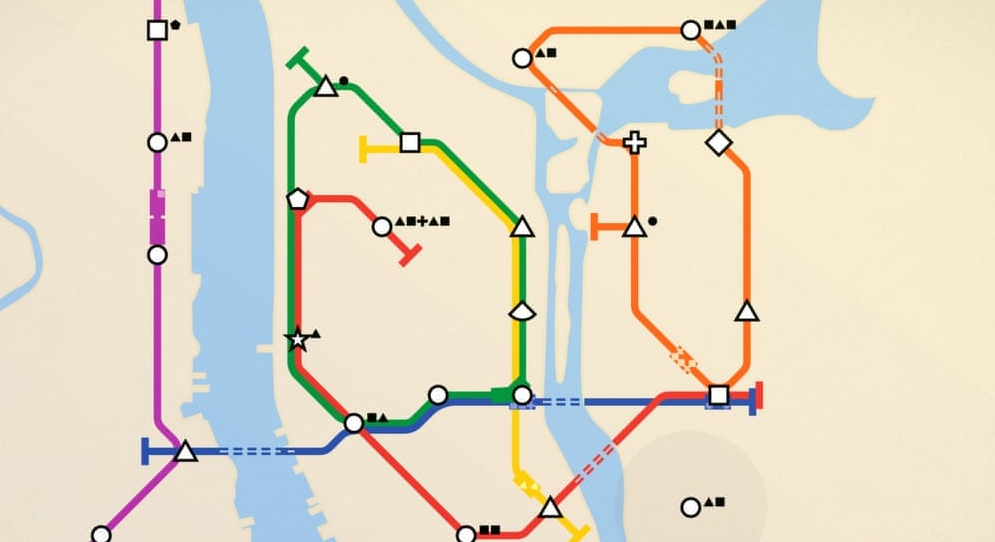
At A Glance
- Understand the benefits of using loops in Mini Metro.
- Learn how to design efficient loop systems.
- Avoid common mistakes when implementing loops.
The Advantages of Loops
1. Balanced Train Arrivals
Loops ensure that trains arrive at stations at regular intervals, preventing any single station from becoming overwhelmed with passengers. This balanced approach helps maintain a smooth flow throughout your network.
2. Efficient Passenger Distribution
By visiting each station in a loop, trains can pick up and drop off passengers more evenly. This efficiency reduces wait times and ensures that passengers are transported promptly to their destinations.
3. Simplified Network Management
Loops simplify the management of your subway system by creating predictable train routes. This predictability allows for easier adjustments and optimizations as the city grows and new stations are added.
Designing Effective Loop Systems
1. Incorporate Multiple Train Directions
When setting up a loop, consider running trains in both clockwise and counterclockwise directions. This approach ensures that passengers can reach their destinations regardless of their starting point.
Pro Tip: Running trains in both directions can also help alleviate congestion during peak times by providing alternative routes for passengers.
2. Connect Loops with Express Lines
As your network expands, connecting multiple loops with express lines can enhance efficiency. Express lines serve as high-speed connections between loops, allowing passengers to transfer quickly between different parts of the city.
Pro Tip: Design express lines to bypass heavily congested areas, providing a faster alternative for passengers and reducing overall system strain.
3. Plan for Obstacles
Obstacles like rivers or mountains can complicate loop design by requiring additional tunnels or bridges. Plan your loops to minimize the need for these structures, as they consume valuable resources and can limit your expansion options.
Pro Tip: If a loop requires crossing an obstacle, ensure that the benefits of the loop outweigh the costs of additional tunnels or bridges.
Common Mistakes to Avoid
1. Overcomplicating Loop Designs
While loops are beneficial, overly complex loop systems can lead to inefficiencies. Avoid creating loops that are too long or convoluted, as they can cause delays and complicate train scheduling.
Pro Tip: Keep loop designs simple and direct, focusing on connecting key stations while minimizing unnecessary detours.
2. Ignoring Passenger Flow
Designing loops without considering passenger flow can result in bottlenecks and overcrowding. Ensure that your loops align with the natural movement of passengers across the city.
Pro Tip: Monitor passenger patterns and adjust your loop designs to accommodate changes in demand, such as during peak hours or after the introduction of new stations.
3. Neglecting Upgrade Opportunities
Failing to upgrade your loops as the city grows can lead to system failures. Regularly assess your loops and invest in upgrades like additional carriages or locomotives to keep up with increasing passenger numbers.
Pro Tip: Prioritize upgrades that address the most congested areas of your network, ensuring that resources are allocated where they are needed most.
Final Thoughts
Implementing effective loop strategies in Mini Metro can significantly enhance the efficiency of your subway system. By understanding the advantages of loops, designing them thoughtfully, and avoiding common mistakes, you can create a network that meets the growing demands of the city. Remember to adapt your strategies as the game progresses, and don’t hesitate to make adjustments to keep your system running smoothly. With practice and careful planning, you’ll master the art of loop design and achieve high scores in Mini Metro.